In addition to today’s resource, please see Dr Matthew CL Phillips’ outstanding website, Metabolic Neurologist.
In addition to today’s resource, please see Linking To And Embedding Metabolic Mind’s “Fasting and Ketosis to treat Dementia With Dr. Matthew Phillips”
Posted on November 6, 2025 by Tom Wade MD
Today, I review, link to, and excerpt from Dr Matthew CL Phillips’ Metabolic Therapy Program (MTP) [a time-restricted ketogenic diet]. This is an 86 page PDF.
I suggest that you download the complete PDF (through this link) to your phone and laptop. This way you will have all the great recipes ingredients immediately available when you go shopping.
All that follows is from the above resource.
Table Of Contents
Introduction To The Program….3
How To Do It (Must-Read Before Starting)….4
If You Eat Out….5
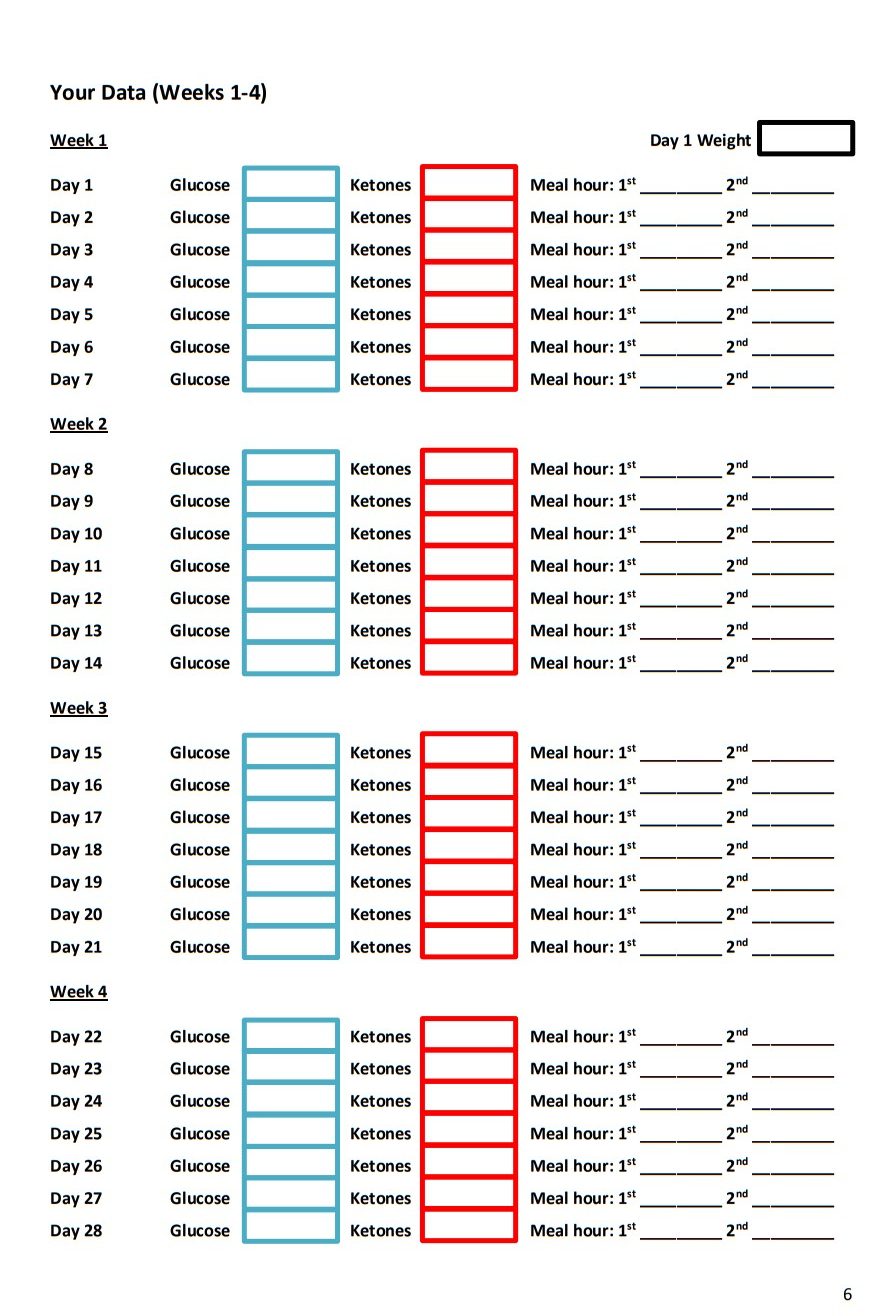
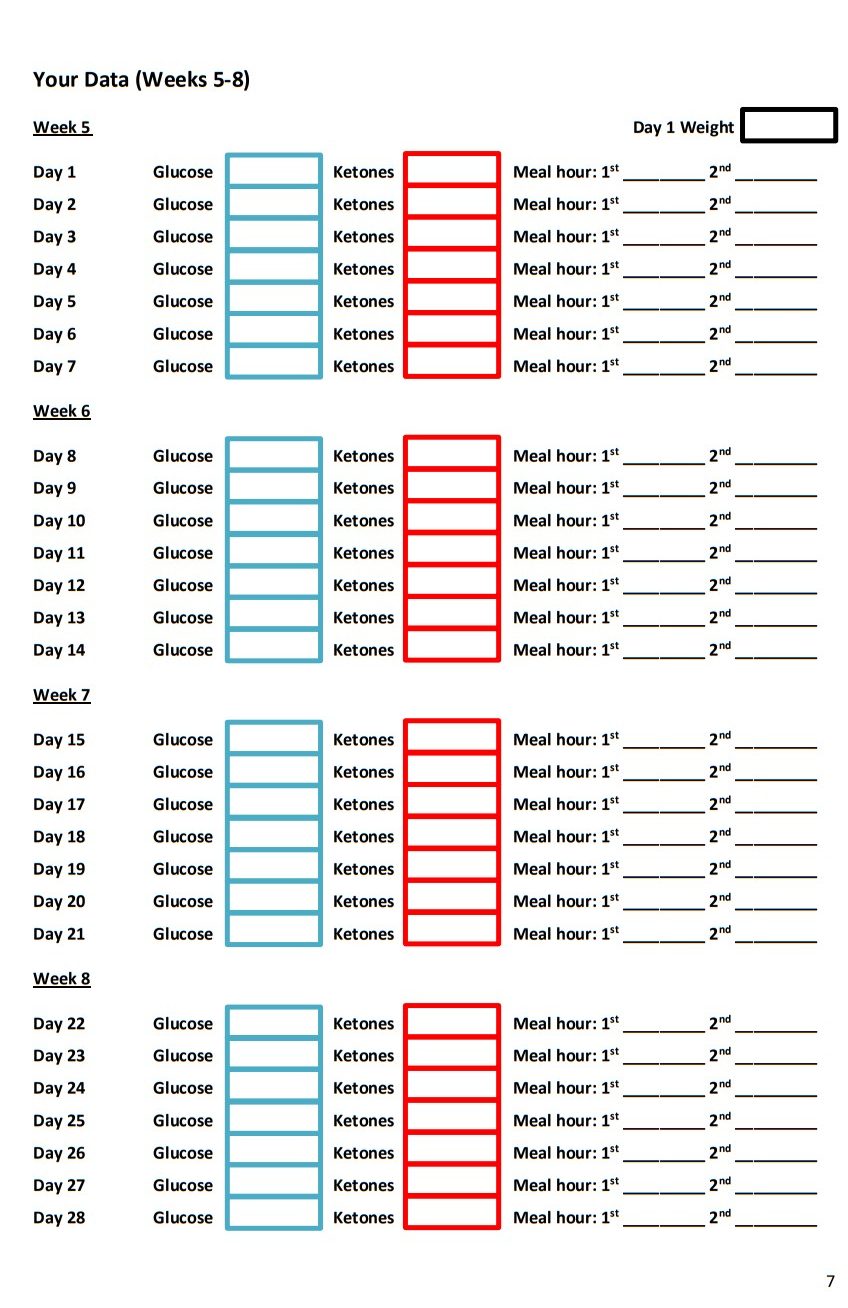
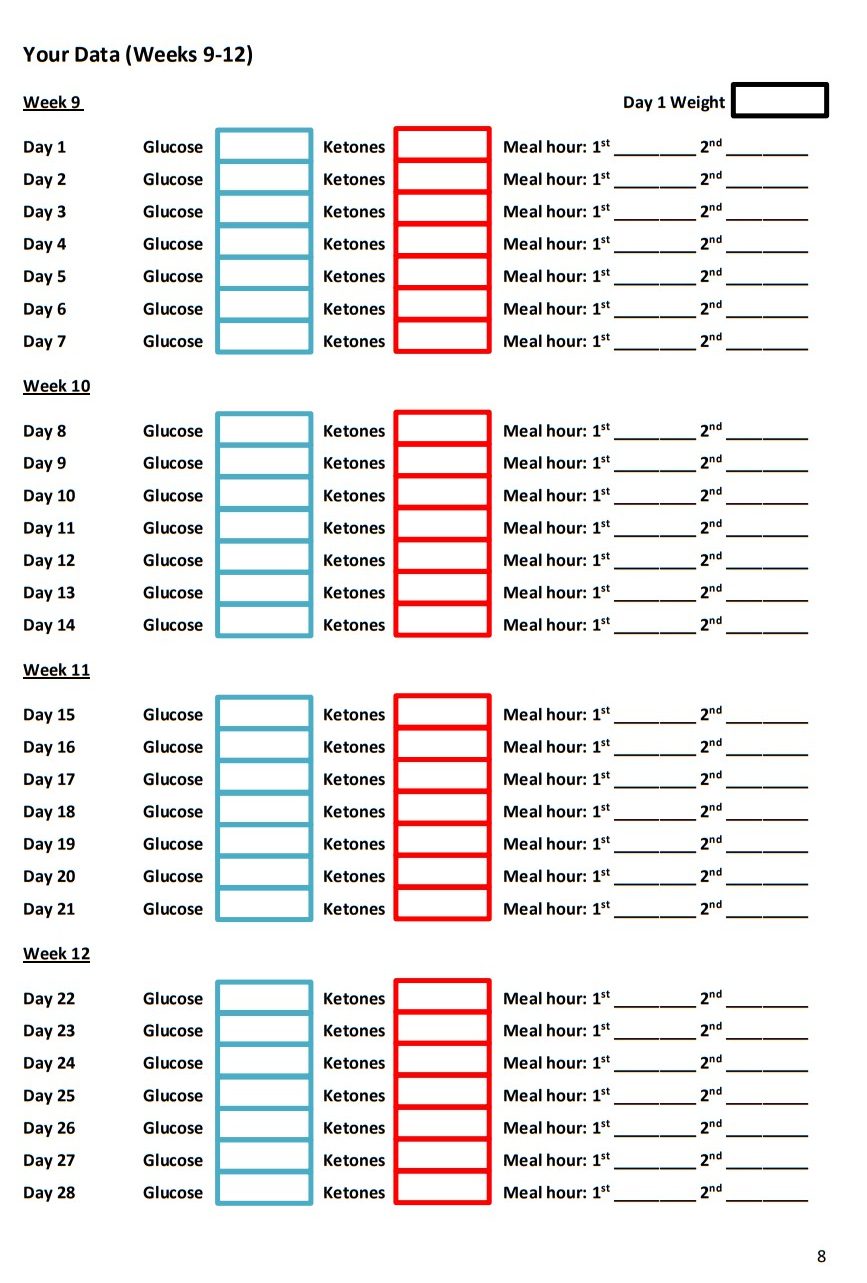
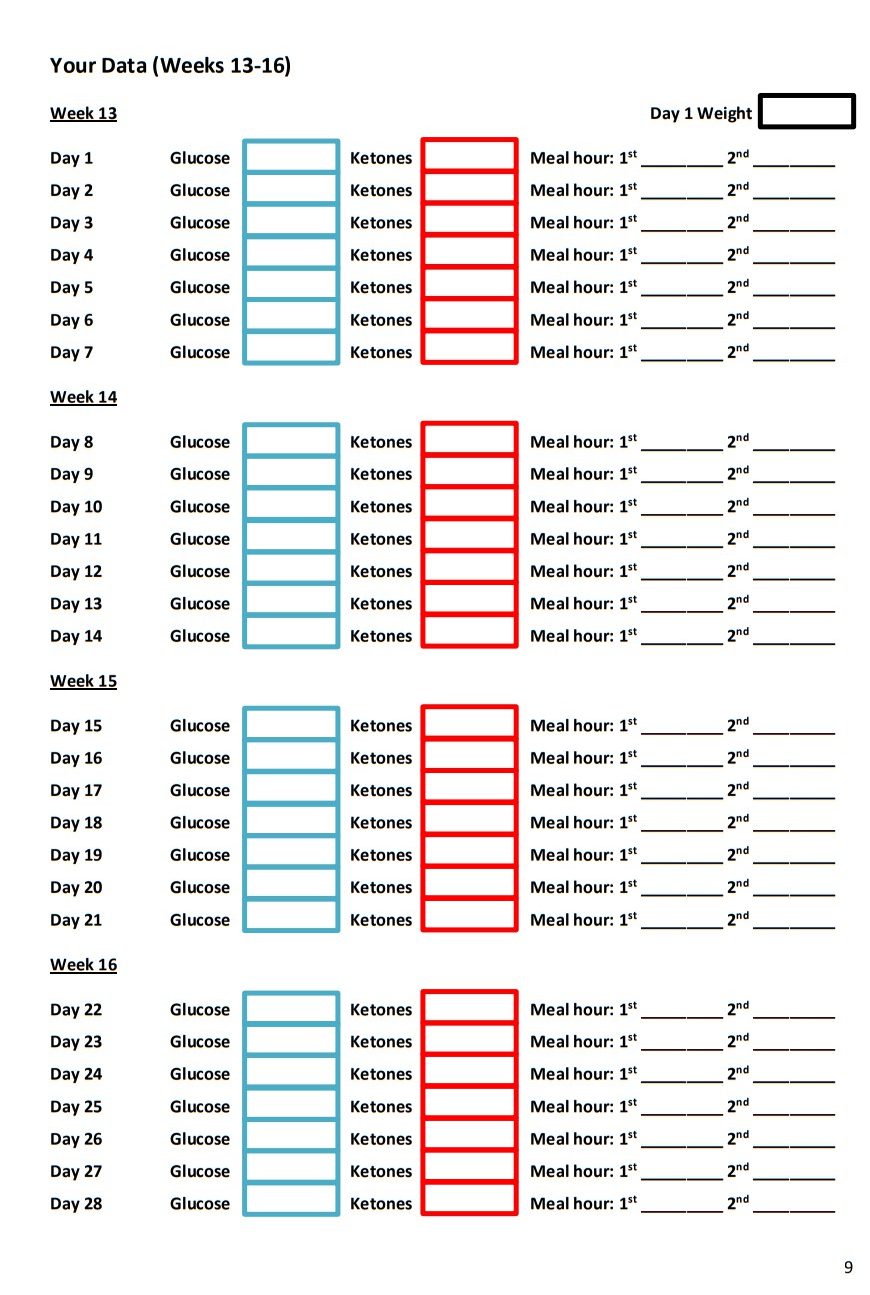
Your Data….6
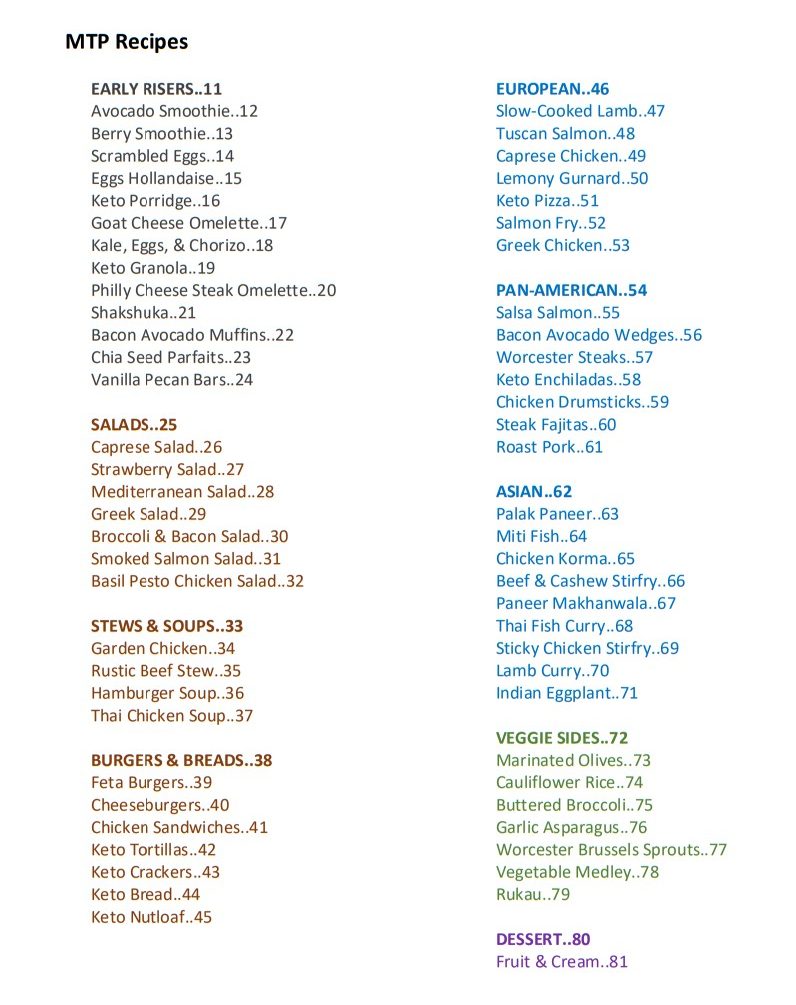
MTP Recipes….10
Meal Planners And Shopping Lists….82Introduction To The Program
This booklet has all the information you need to conduct our Metabolic Therapy Program (MTP). This is a
general program that is not tailored to any particular disorder, but may provide benefit for people who wish
to improve their health in a broad manner. Please understand, this program may be challenging, especially
in the first month. The reason is that it relies on a time-restricted ketogenic diet, which will constitute a
radical lifestyle change and 100% dedication from you. However, I am confident you can do it.Understand that it is 100% essential to treat the MTP as a therapy. This mindset is crucial to avoiding the
many temptations that may attempt to derail you as you try to improve your health.Matt.
How To Do It (Must-Read Before Starting)
There are only three rules needed to confer success with the MTP. If you just stick to these [three] rules you
will be ok. If you break them things can get difficult, so please don’t.(1) Eat only within your two chosen “meal hours” per day.
– Every day, you choose two meal hours during which you will eat. These can change from one day to the
next and may involve any combination of recipes except the cycling meals. I find a meal around 11 am and
the next meal around 5 pm works well. Do not eat the second meal in the 3 hours before bedtime, that’s too
late and will negatively affect your sleep.
– You may be tempted to alter the recipes, but I have learned through ample experience that this will not
work and virtually always lowers ketone levels, which is disheartening for you. So do not alter the recipes in
any way. If you crave variety, try multiple recipes or let me know what it is you crave.
– You will need more salt on the MTP, which has been incorporated into the recipes. You will be ok if you just
follow the salt serves in the recipes. These are minimum serves, you can add more salt if you like.
– During the two meal hours, eat any combination of recipes until you are 80% full. Eat slowly and do not
stuff yourself, you will satiate quickly given the high-fat nature of the MTP.Start here
(2) No snacking whatsoever between meal hours.
– I cannot emphasize enough how critical it is to eliminate all snacks between meal hours. The only exceptions
are water, coffee, tea, and the multivitamin (and any other medications you may be on).
– Urine output will increase on the MTP, which can lead to dehydration and many negative symptoms, so
drink a minimum of 1 L water every day between meals. You may exercise as much as you like on the MTP,
but if you do you will need 1.5 L water on any exercise day. Water may be still or sparkling, and you can add
some lemon or lime juice.
– You may drink coffee or tea between meals, but these do not count as part of the 1 L water minimum. You
may have any combination of coffee and tea up to 2-3 cups on any day, no more. Coffee is best black, but
you may add up to 1 tbsp of unsweetened almond milk, pouring cream, butter, coconut oil to any cup of
coffee, or alternatively a pinch of cinnamon or nutmeg. Tea is best on its own. And of course, do not add
sugar, milk, or artificial flavours or sweeteners to any drink.(3) Record your data daily in the program.
– Check your blood glucose and ketones every night at bedtime, then write them in this program on the
designated pages. Record your weight as indicated.If You Eat Out
Sometimes, it is good to eat out, perhaps at a restaurant or social gathering. This is ok as long as you stick to
“allowable” foods. Stick to the following list of meals when eating out, and always add a side of pure fat
(Hollandaise, butter, cream, aioli, sour cream, olive oil, or mayonnaise) to every meal. Even if your meal
comes with a side of pure fat (for example, steak and butter), you may need to order more of the fat side –
in general, you need about 3-4 tbsp of pure fat in every meal. However, the best way to optimize this is to
bring your own bottle of extra virgin olive oil when you eat out, as the olive oil in most restaurants is usually
tainted with refined seed oils.Breakfast
Breakfast is relatively easy, but you must avoid bread, hash browns, sundried tomatoes, potatoes, fruits,
muesli, porridge, cereals, milk, waffles, and pancakes. Example breakfast options include:Eggs any style (add 3-4 tbsp Hollandaise)
Salmon and bacon (add 3-4 tbsp Hollandaise)
Avocados, olives, mushrooms (add 3-4 tbsp cream)
Halloumi cheese (add 3-4 tbsp aioli)
Omelettes containing just salmon, bacon, cheese, avocado, or spinach (add 3-4 tbsp sour cream)
Green vegetables and salads (add 3-4 tbsp olive oil)Lunch or Dinner
Both lunch and dinner are best done by sticking to salads, avoid breads, croutons, potatoes, pastas, sodas,
wedges, chips, rice, and nachos. Example lunch and dinner options include:Chicken, beef, lamb, or seafood salad (add 3-4 tbsp olive oil)
Steak (add 3-4 tbsp butter, aioli, sour cream, bearnaise, or blue cheese sauce)
Fish with green vegetables (add 3-4 tbsp butter, aioli, or olive oil)
Salmon or tuna sashimi (add 3-4 tbsp yuzo mayo)
Green vegetables and leafy green salads (add 3-4 tbsp olive oil or mayo)Dessert
Desserts at nearly any restaurant invariably contain sugar. Stick to cheese plates (just the cheese, don’t eat
anything else on the plate), and avoid any of the desserts. Truthfully, the best option is to skip dessert.