
In addition to the resource below, please see the book below. It is outstanding
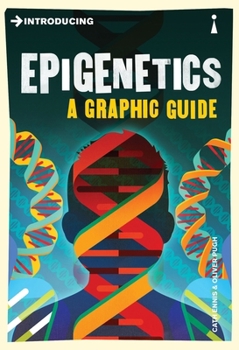
Introducing Epigenetics: A Graphic Guide
(Part of the Graphic Guides Series and Introducing Graphic Guides Series)
By Cath Ennis. Release Date: February 2017Edition Description
Epigenetics is the most exciting field in biology today, developing our understanding of how and why we inherit certain traits, develop diseases and age, and evolve as a species.
This non-fiction comic book introduces us to genetics, cell biology and the fascinating science of epigenetics, which is rapidly filling in the gaps in our knowledge, allowing us to make huge advances in medicine. We’ll look at what identical twins can teach us about the epigenetic effects of our environment and experiences, why certain genes are ‘switched on’ or off at various stages of embryonic development, and how scientists have reversed the specialization of cells to clone frogs from a single gut cell.
In Introducing Epigenetics, Cath Ennis and Oliver Pugh pull apart the double helix, examining how the epigenetic building blocks and messengers that interpret and edit our genes help to make us, well, us.
In addition to the resource below, please see
From Amazon description*: [Note that this book is 14 years old but is still relevant. It is much more understandable if you have first reviewed Epigenetics: A Graphic Guide (above)]
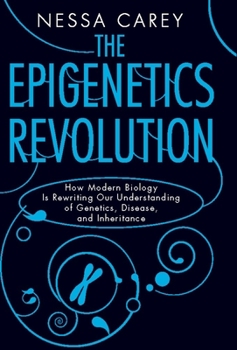
Epigenetics can potentially revolutionize our understanding of the structure and behavior of biological life on Earth. It explains why mapping an organism’s genetic code is not enough to determine how it develops or acts and shows how nurture combines with nature to engineer biological diversity. Surveying the twenty-year history of the field while also highlighting its latest findings and innovations, this volume provides a readily understandable introduction to the foundations of epigenetics.
Nessa Carey, a leading epigenetics researcher, connects the field’s arguments to such diverse phenomena as how ants and queen bees control their colonies; why tortoiseshell cats are always female; why some plants need cold weather before they can flower; and how our bodies age and develop disease. Reaching beyond biology, epigenetics now informs work on drug addiction, the long-term effects of famine, and the physical and psychological consequences of childhood trauma. Carey concludes with a discussion of the future directions for this research and its ability to improve human health and well-being.
Today, I review and link to Active Motif: Enabling Epigenetics Research‘s Epigenetics 101: Complete Guide to Understanding Epigenetics. All that follows is from this resource.
Epigenetics is the study of how the environment, behavior, and other mechanisms cause changes to the genome that can contribute to the regulation of gene expression and other biological processes without changing to the underlying primary DNA sequences. These epigenetic mechanisms are mediated by chemical modifications of DNA, proteins (most commonly histones), and RNA. Epigenetic modifications are often reversible and can sometimes be heritable.
This article provides an introduction to the world of epigenetics, covers the history of this field in biology, discusses the factors and players that play a role in this process, and highlights which biological processes are influenced by epigenetic mechanisms.
Table of Contents:


